Surface Reality Is A Projection: See The Deeper Layers
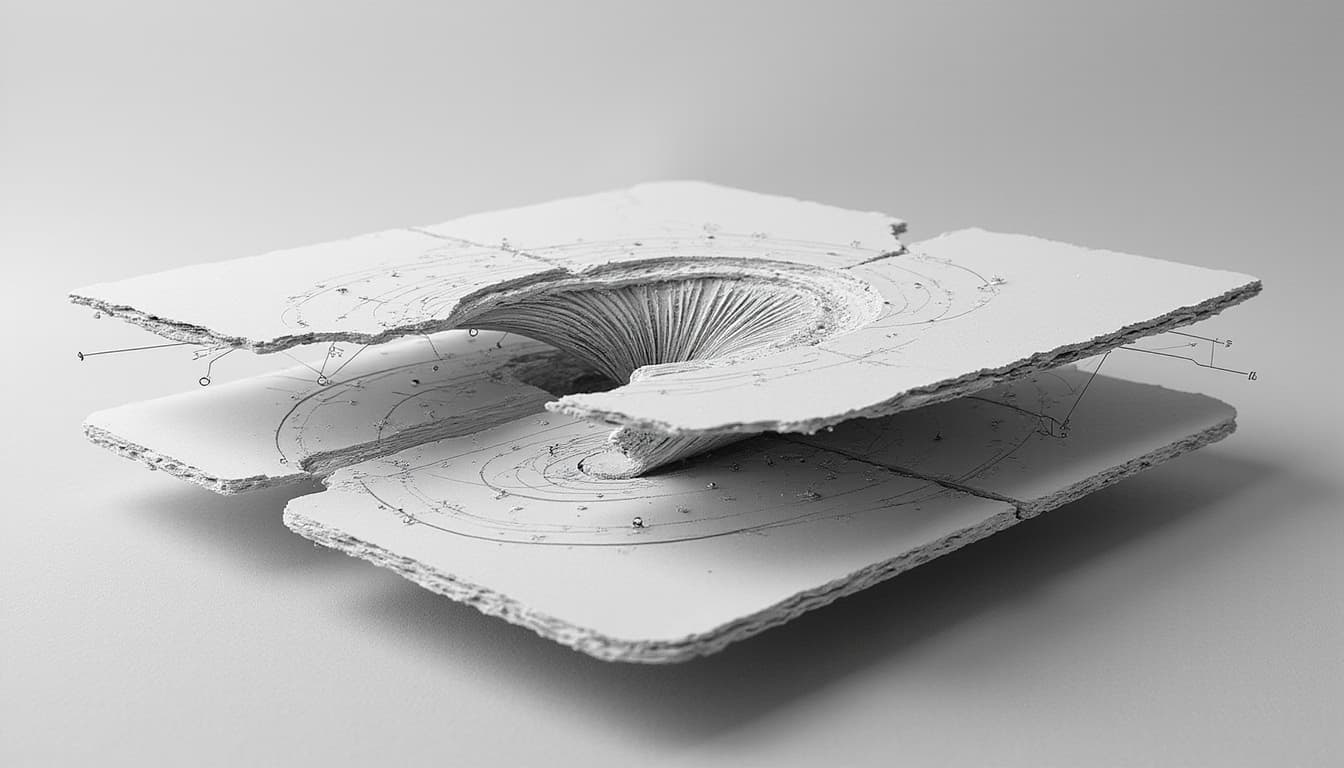
We live on the skin of things. Physics popularizers like Brian Greene and Stephen Hawking made this feel obvious: what you observe is not the root, it’s the display.
Observed reality is a projection when the visible pattern rides on a hidden structure that generates it. Think of ripples on a pond: the shape you see is produced by interactions underneath. In personal habits and in organizations, surface outcomes, conflict, delays, churn, are projections of incentives, constraints, and beliefs you don’t immediately see.
Surface reality is a projection when the outcomes you see are produced by deeper structures you don’t directly observe. The surface is an emergent layer: stable enough to measure, misleading if treated as the cause.
What you see is an artifact of deeper structures, so treat it as a clue, not the cause. Intervene at the deepest accessible layer because surface fixes relapse while structural shifts persist. In publishing and work, remove friction and give thought a clear channel so signal becomes consistent.
Name the lens
Start where it’s tempting to stop: with what’s obvious. Then ask the small, sharper question, what could be producing this? The core lens recognizes that deeper layers create what we observe. Your hiring “problem” might be a projection of unclear roles. A missed deadline could be a projection of ambiguous ownership. Anxiety before shipping might be a projection of undefined review gates. One surface, many plausible generators.
A quick map helps: surface (what happened), generator (what could produce it), and lever (what you can alter next). Keep it plain. Avoid ornate theories and prefer one clean guess tied to a real lever.
Surface reality is a projection
Yesterday’s fix becomes today’s loop when you treat the display as the device. I learned this the slow way: I kept editing posts later and later at night, assuming “I need more discipline.” Discipline wasn’t the cause. Unclear publishing handoffs were.
Publishing consistency is rarely a writing problem, it’s a structural problem involving friction, broken flow, and ungoverned outputs. Here’s the practical bridge: when you feel stuck, rename the problem from “bad outcome” to “generated outcome.” That one word nudges you to look for the projector rather than berating the screen.
Micro-example: If your inbox is a swamp by noon, the projection isn’t “too many emails.” It’s “no weekday boundary on response time, ” which generates interrupt-friendly behavior. Change the boundary and the display changes.
Trace the projector
You’ve named the layer beneath. Now, follow its mechanics long enough to find a lever you actually control. The process starts with describing the surface precisely: “Report took 12 hours over three days; two revisions; five Slack pings.” Then list three plausible generators, unclear acceptance criteria, reviewer mismatch, no decision owner. Choose one lever you can pull this week, like setting acceptance criteria before work begins and naming a single reviewer. Run a small test for two weeks and keep a trace with before/after notes, not just vibes.

We crave quick relief, so we polish the display. But relief without root is rented. Changing the generator is slower on day one and faster by day thirty because you stop paying the relapse tax.
That trace matters because without it, you’re guessing and forgetting. With it, you build clarity and make the projection legible.
Ground it in cases
As a consultant, I once tried to “fix” inconsistent publishing by promising a stricter calendar. It worked for a week, then delays returned. The real generator was friction in handoffs, topic to draft to review to art to ship. We removed two ambiguous review gates and agreed on a simple definition of “ready.” Publishing stabilized without asking anyone to “try harder.” The screen wasn’t the problem; the projector was misaligned.
Two more slices reveal the pattern. Team conflict: A product manager and an engineer “keep clashing.” Surface reading blames personalities, but deeper read reveals fuzzy decision rights. The lever becomes writing a one-paragraph decision charter for the next feature, resulting in fewer surprises, calmer debates, and more signal. Personal health: “I skip workouts when travel hits.” Surface fix suggests a new playlist, but the deeper generator is no travel-day micro-routine. The lever becomes a ten-minute hotel-room circuit at the same time daily. After two weeks, adherence sticks because the generator changed, time and cue, not willpower.
When thought is given a governed path from idea to artifact, friction drops and consistency rises. Not because people got inspired, but because the path made output inevitable.
Apply this today
You don’t need a grand overhaul. You need one clean intervention at the deepest accessible layer. Try this loop on one nagging issue: clarify the surface by writing a 3-5 line description of what actually happened, including one measurable detail. Name three possible generators without blaming people, favoring structures like roles, boundaries, incentives, and timing. Pick one lever within your control, change it for two weeks, and keep a brief trace so you can compare before and after. If the surface improves, stabilize it; if not, move one layer deeper and repeat with a new lever.
Tactical example: If your weekly newsletter keeps slipping, don’t vow to “be consistent.” Remove one review hop, set a Tuesday noon draft cutoff, and ship Thursday 9 a.m. The lever is the path; the projection is the publish.
Two cautions guide this work. Sometimes a surface patch is enough, if the generator is expensive or off-limits, pick the smallest viable patch and note the debt you’re carrying. Don’t chase depth for its own sake either. When a shallow lever works and holds, stop digging.
Hold the deeper view
This isn’t mysticism; it’s a cleaner habit of seeing. You’re training your attention to separate display from device, artifact from generator. When you treat the surface as projection, three things change: clarity goes up because you name what’s actually happening; flow stabilizes because you remove friction where it starts; authority accumulates because your outputs become consistent and auditable.
One last image: you’ve been adjusting the brightness on a flickering screen. Useful, once. But the lasting fix is behind the panel. Look there first, act there when you can, and let the display take care of itself.